

Tarini stood in the center of the hall, the weight of the King’s words pressing down on her. The silence in the room was absolute, broken only by the distant chime of temple bells. She looked at Vikramaditya. He was not looking at her with the possessiveness of a suitor, nor the arrogance of a conqueror. He was looking at her with a profound, weary clarity.
Tarini slowly lowered her folded hands. Her gaze, usually sharp and challenging, softened into a look of quiet understanding.
"Maharaj," she began, her voice steady. "You spoke of honesty. May I be granted the same liberty?"
Vikramaditya nodded, his expression unreadable.
"You speak of your heart as if it were a buried treasure, unreachable and cold," Tarini said, stepping forward. "You speak of a throne that needs an occupant, and a child who needs a caretaker. You have been very clear about what you cannot give."
She paused, taking a breath. "But you have not asked what I seek. I do not look for a husband who will shower me with hollow promises. I seek only the freedom to stand as myself. I accept your proposal, Maharaj. Not because I wish to be a queen, but because I refuse to be a prisoner of a man who sees me only as a political bargaining chip. If I am to be trapped by duty, I would rather fulfill it for a man who values honor over his own convenience."
Vikramaditya’s eyes flickered, a momentary spark of surprise crossing his features.
"And my son?" he asked, his voice low. "Can you provide him with a mother’s warmth when his father remains a ghost?"
"I cannot replace her," Tarini replied firmly. "I will not try to steal a seat that is not mine. But I will care for Prince Veerendra as if he were my own. That is a vow, not a concession."
Vikramaditya stood still for a long heartbeat. Then, he bowed his head in acknowledgment. "Then it is decided," he said. "The wedding will take place in seven days."
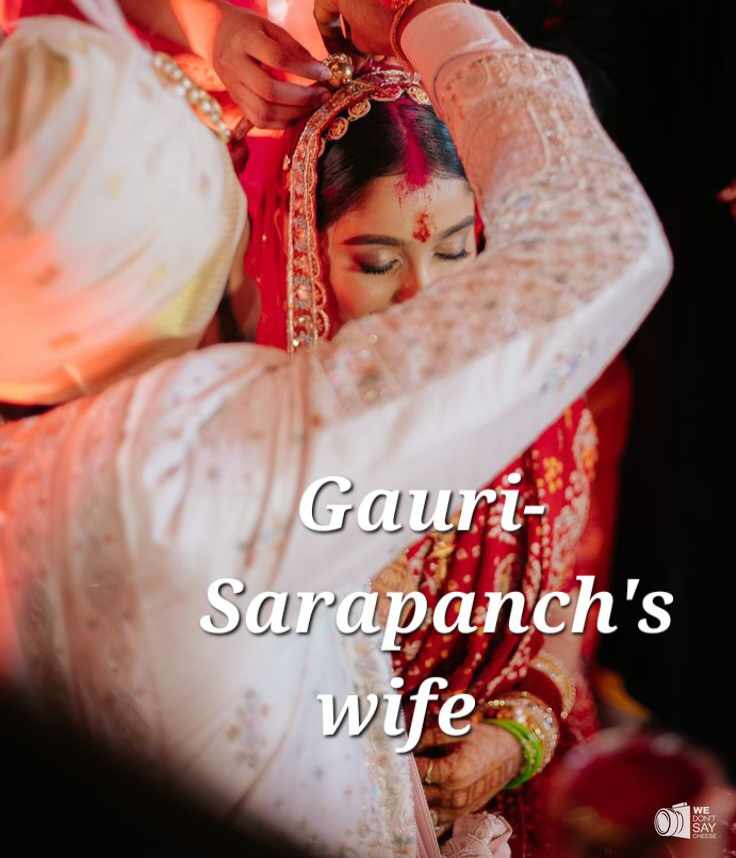
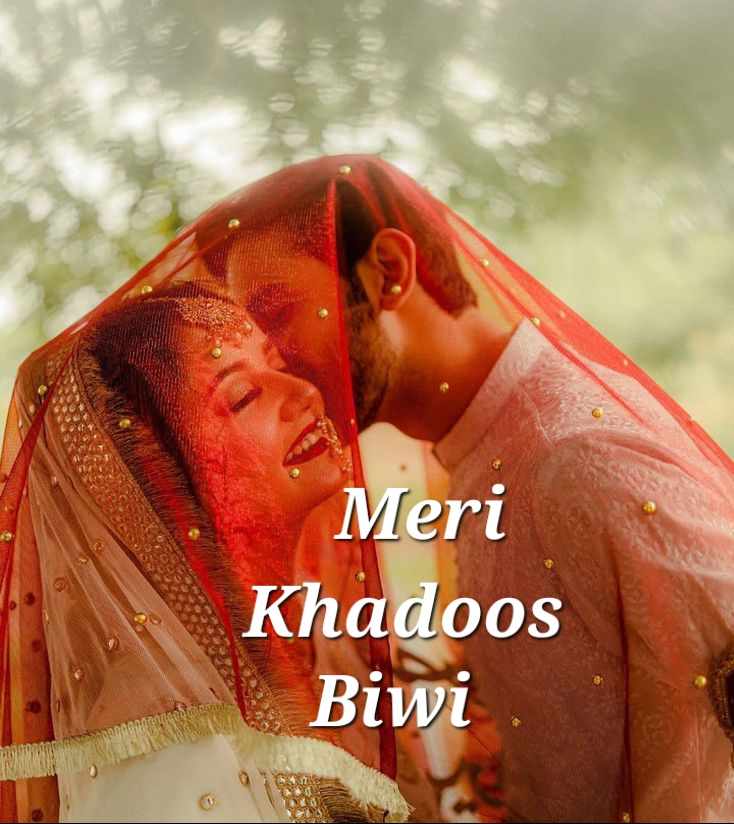
The news of the alliance spread through Vijaygarh like wildfire. The palace was a whirlwind of preparations. Her handmaidens were frantic, dragging out silks and ornaments, but Tarini sat by the window, watching the sun begin to set over the horizon.
That night, a soft knock came at her door. It was the Rajmata, who had arrived with the King’s entourage.
"Putri," (Daughter), the Rajmata said, sitting beside her. "My son is a man of few words, and even fewer smiles. He is a king who carries a mountain of sorrow on his shoulders."
Tarini looked at the older woman. "He was very clear about that, Rajmata."
"He is a man of iron, Tarini," the Rajmata smiled, a sad expression. "But even iron can be reshaped. I did not come here to ask you to love him. I came to ask you to be patient. Suryagarh has been silent for too long."
"Main koi jaadugar nahi hoon, Rajmata," (I am not a magician, Rajmata), Tarini whispered. "Main bas ek stree hoon jise apna sammaan pyara hai." (I am just a woman who values her self-respect.)
"No," the Rajmata patted her hand. "But you are a woman of spirit. And sometimes, that is exactly what a dying flame needs."




Write a comment ...